Did they pay me for them to learn, or just to pass?
A look at my first Android classes and how the need to explain code helped me consolidate my own knowledge.
I've always wanted to teach. There's something very comforting about understanding a subject well enough to motivate someone to learn alongside me. Perhaps, due to the insecurity I've carried since childhood, this serves as a push to finally cement my own confidence in the subject.
While I was studying, two students asked me for private Android classes. I didn't feel great about charging them, but my diet of pre-made cannelloni and ham sandwiches had to be sustained somehow. The key problem I saw with the system was that some professors earned a salary for teaching the subject and delivered class hours that were simply neither sufficient nor productive — not for them, nor for most of the classroom.
It felt almost paradoxical that my students would rush me to finish the project when they'd already paid me a flat rate.
I don't remember exactly, but it was maybe 20 euros for what was supposed to be an hour and a half; yet I'd spend four hours with them, making sure they understood every step we took through Android Studio, fixing xml files and adjusting Adapters and RecyclerViews.
I don't blame them — I think they really just wanted to pass the course. For them, programming was nothing more than wrestling with an assignment from Institut Montilivi. But for me, those projects were the best: I could get lost in fine-tuning anything, understanding how everything worked under the hood, and learning a ton.
Now that I'm speaking from a present where LLMs are blowing up, I feel like those developers who used to code with a plain text editor and a separate compiler, without an IDE to speed up their work with autocomplete, warnings, and other great but RAM-hungry features (this one's for you, Android Studio 🔥).
They were good years that, with time, are clearly deprecated — but they always bring a smile to my face.
In the end, this blog is a bit like those four-hour classes: a place where I'm not looking for shortcuts or quick answers, but rather to understand the why behind each piece. Technology moves at a pace where it's easy to feel overwhelmed, but sharing the process remains my best tool for reinforcing knowledge. I hope what you read here serves you at least half as much as writing it serves me.
Here's a database schema I can no longer place in time:
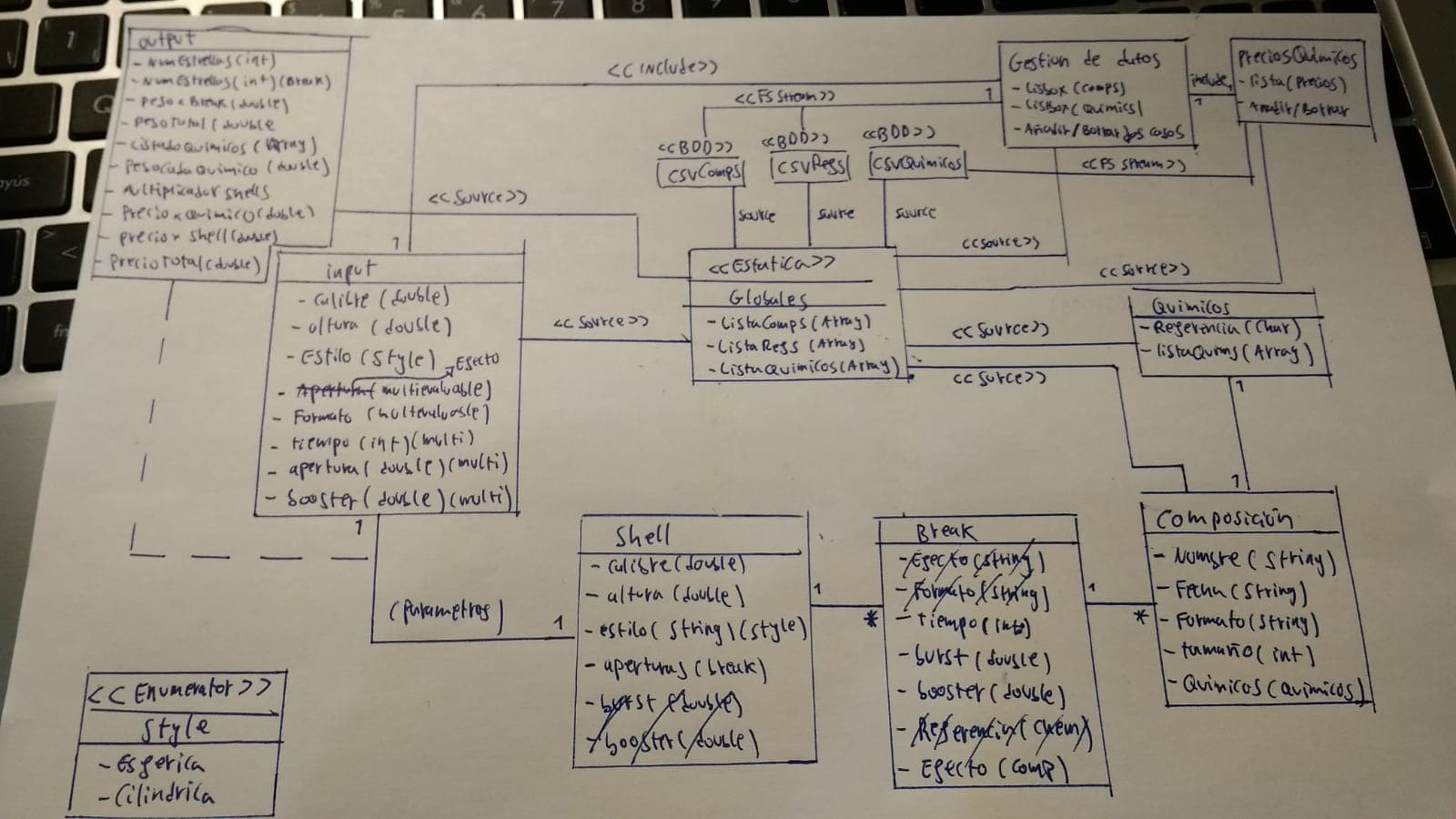 A database schema